
Seven EU Nations Push for Visa Ban on Russian and Belarusian Athletes
Leaders from Denmark, Finland, Estonia, Latvia, Lithuania, Poland, and Sweden have sent a joint letter urging the EU to restrict visa issuance to athletes from Russia and Belarus to enforce the bloc's stance against normalizing their participation in European sports.
By News Media House Staff ·
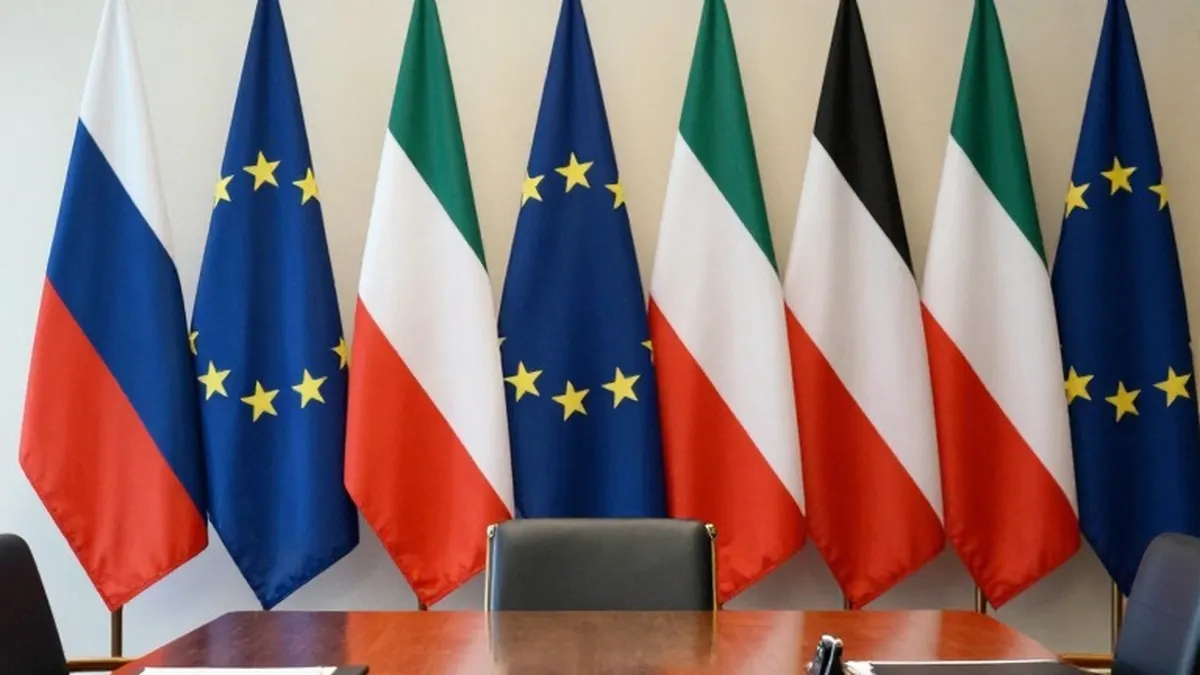
Leaders from seven European Union member states have issued a joint call for the bloc to halt the issuance of visas to Russian and Belarusian athletes traveling to the EU. The coordinated effort, detailed in a letter dated 23 November, was addressed to European Council President António Costa and European Commission President Ursula von der Leyen. The signatories include Denmark, Finland, Estonia, Latvia, Lithuania, Poland, and Sweden, all of which are seeking to prevent athletes from these two countries from entering the union.
In the correspondence, the leaders emphasized the need for a unified approach despite the individual competencies of member states. They encouraged national governments to refrain from granting visas to Russian or Belarusian athletes, arguing that such permissions facilitate participation in sporting events across the entire European Union. This move is intended to reinforce the collective stance against normalizing the presence of these nations in European sports.
The authors of the letter warned that permitting Russian teams and individual athletes to compete in European arenas could be interpreted by the Kremlin as a significant political victory. They stressed that allowing the Russian state to field participants in international competitions risks sending a signal of creeping acceptance of its war of aggression. According to the signatories, it is simply impossible to separate sports from geopolitics in the current climate.
The letter references the European Council's established position that, until a just and lasting peace is achieved in Ukraine, there should be no normalization of Russia's and Belarus's participation in international sporting and cultural events. This includes specific restrictions on the display of national symbols. The leaders of the seven countries stated that the time has come to put this political position into practical effect through concrete administrative measures.
The signatories noted that several member states have already called on the European Commission to present relevant legislative proposals to address this gap. While amending the Visa Code could provide a comprehensive solution, the revision of this legislation is not expected to be completed before the first quarter of 2027. Consequently, the letter highlights the importance of the European Commission's forthcoming guidelines on visa applications from Russian citizens as a crucial interim measure.
These guidelines are expected to provide clear direction on preventing non-essential travel by Russian nationals into member state territories. The letter specifies that this should include participation in European sporting events, aiming to establish a common approach that reflects the European Council's broader political stance. The leaders believe these guidelines, alongside other measures, will be vital in maintaining a consistent policy across the bloc.
The leaders indicated that they intend to clarify their position on this issue during the next European Council meeting, which is scheduled for 26 and 27 November. This upcoming summit provides a platform for the seven nations to advocate for stricter visa controls and to align their policies with the recent actions taken by the European Commission.
The push for a visa ban comes shortly after the European Commission presented a proposal for the 22nd Russia sanctions package on 23 November. This package includes a ban on Russian teams and athletes competing under the Russian flag at sporting events within the EU, along with a proposal to ban the display of official Russian symbols.
On the same day, the European Commission adopted updated visa guidelines that specifically cover Russian athletes. These developments suggest a growing momentum within the EU institutions to tighten restrictions on Russian and Belarusian presence in European sports, aligning administrative procedures with the political goals of member states.
Originally published by News Media House





