Lukashenko offers to fly with Zelenskyy to Moscow as security guarantor
The Belarusian leader proposes a direct trip to meet Putin, arguing that the three Slavic nations must determine their own future to end the war.
By News Media House Staff ·
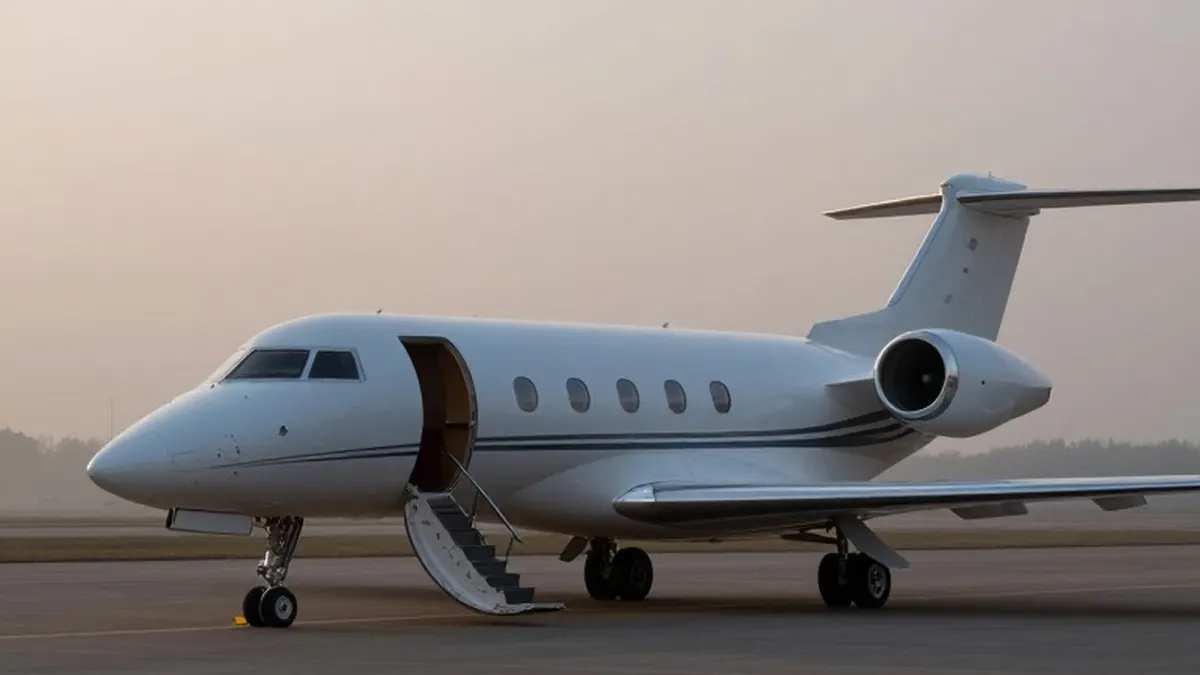
Alexander Lukashenko, the self-proclaimed president of Belarus, has put forward an unconventional proposal for ending the war in Ukraine. In an interview with the French weekly news magazine Le Point, he suggested that he could serve as a security guarantor for Ukrainian President Volodymyr Zelenskyy. Lukashenko stated that the two leaders could board a plane together and fly to Moscow to meet with Russian President Vladimir Putin.
The interview, which took place on November 17 and was reported by the Belarusian state-owned news outlet BelTA, outlines a specific format for high-level negotiations. Lukashenko described a scenario where only he and Zelenskyy would travel to the Russian capital. "Volodymyr Zelenskyy and I could get on a plane and fly to Moscow. Just the two of us," Lukashenko said. He emphasized that he would accompany the Ukrainian leader specifically to provide a sense of security for the visit.
This proposal comes after Vladimir Putin previously invited Zelenskyy to visit Moscow, an offer that the Ukrainian president had declined. By suggesting his own version of the diplomatic trip, the Belarusian leader is attempting to create a new framework for dialogue. He believes that direct negotiations between the three heads of state would lead to a faster resolution of the conflict compared to talks that include European partners.
Lukashenko argued that the future of the region is primarily a matter for the three major Slavic nations. "In any case, the three of us will determine what our future will look like, that of Ukraine, Belarus and Russia," he stated. He further claimed that their role in shaping the regional landscape would be decisive, noting that these nations have historically determined how the region lives and will continue to do so.
When a journalist pointed out that Zelenskyy might not agree to such a negotiation format, Lukashenko reacted with a pointed remark. "If he does not agree, let him fight," the Belarusian leader replied. He suggested that if Zelenskyy refuses to negotiate, he should go to the front line himself with a rifle to fight. Lukashenko maintained that the war is ongoing and must be stopped, and that an agreement could be reached through this direct approach.
During the same interview, Lukashenko also asserted that Russia is currently winning on the battlefield. This claim adds to the broader context of military developments that have been reported throughout the conflict. His comments reflect the ongoing diplomatic efforts to find a path toward peace, even as military operations continue in the region.
Recent diplomatic movements have increased the pressure for a resolution. The Financial Times previously reported that the administration of US President Donald Trump had informed European and Ukrainian officials of a desire to see a peace agreement between Ukraine and Russia by the beginning of January 2027. This timeline suggests an accelerated push for negotiations in the coming months.
Furthermore, US special envoy Jared Kushner stated on November 23 that American negotiators will work with representatives from Ukraine, the European Union, and Russia in the coming weeks. The goal of these discussions is to reach a common agreement on security architecture. These efforts by the United States and its partners run parallel to the proposals made by Lukashenko, who continues to advocate for a Slavic-centric solution to the conflict.
The proposal by Lukashenko highlights the complex diplomatic landscape surrounding the war. While some leaders push for multilateral agreements involving Europe and the United States, others, like the Belarusian president, argue for a more exclusive negotiation process between the three key regional powers. The success of any such proposal will depend on the willingness of the involved parties to engage in direct dialogue.
As the international community continues to seek a resolution, the next few weeks are expected to be critical. With various stakeholders involved in the peace process, the proposals and statements from leaders such as Lukashenko and Kushner will play a significant role in shaping the future negotiations. The focus remains on establishing a durable security framework that can end the hostilities and define the post-war order in the region.
Originally published by News Media House