
Army Detonation of Lead Azide Delayed to Monday After Court Stay
A federal appeals court order halted the permit, forcing a two-day shift in the schedule for treating unstable chemicals at the Iowa Army Ammunition Plant.
By Tunde Henderson ·
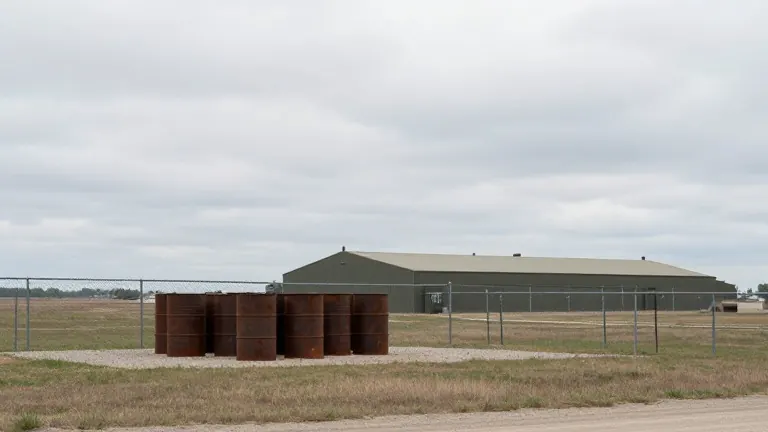
The federal 8th Circuit Court of Appeals issued a stay on Thursday that blocks the U.S. Army from detonating tons of bomb-making chemicals in Iowa under its current permit. This legal hold places the military’s cleanup operation in jeopardy until the court issues further direction.
Thien Chau, an attorney for Earthjustice, stated that the Army cannot detonate the material while the permit is stayed. His organization filed a petition on behalf of Iowa environmental groups seeking a review of the emergency permit approved by the EPA earlier this month. Chau noted that attorneys expect the court to rule before Monday’s planned operation, though the court has not yet released a schedule for a decision or hearing.
Federal government attorneys filed a response indicating the Army could treat the waste without a permit if there is an immediate threat to human health or the environment. Chau argued that this legal bar is very high, requiring proof that no other safe alternative exists for treating the hazardous material.
The Army originally planned the detonation for Friday but moved it to Monday after public concern mounted. Acting Army Secretary Adam Telle announced the change in a post on X, citing a forecast temperature drop that could further destabilize the material. Telle stated the delay pushes the operation to the latest possible safe moment.
Staff at the Iowa Army Ammunition Plant discovered several dozen barrels of degraded lead azide in March. The material, used in munitions production, became unstable as it crystallized. EPA documents show officials considered neutralizing the drums with other chemicals but rejected those options because handling the drums increased the risk of a fatal accidental detonation.
Environmental groups criticized the process, arguing that other alternatives were not fully considered and that officials did not share enough information with the public. While the Army held a meeting in Middletown in October, a public advisory on Sunday was the first notification for communities up to 100 miles away.
Nearly 400 residents live in Middletown, about 160 miles southeast of Des Moines, though thousands more could be affected by airborne particles. Schools and businesses planned to close, and officials urged people to keep pets and livestock indoors. Lucy Giehl, a resident living four miles north of the plant, said she was unsure about specific safety details, such as whether to wear gloves when wiping surfaces or how to protect her dogs’ water source.