Wind Rules Split the Nation: Macy's Moves, Iowa Detonates Lead
A federal permit allowed a massive lead blast in Iowa while gusts grounded the 100th Macy's Parade in New York.
By Riya Alvarez ·
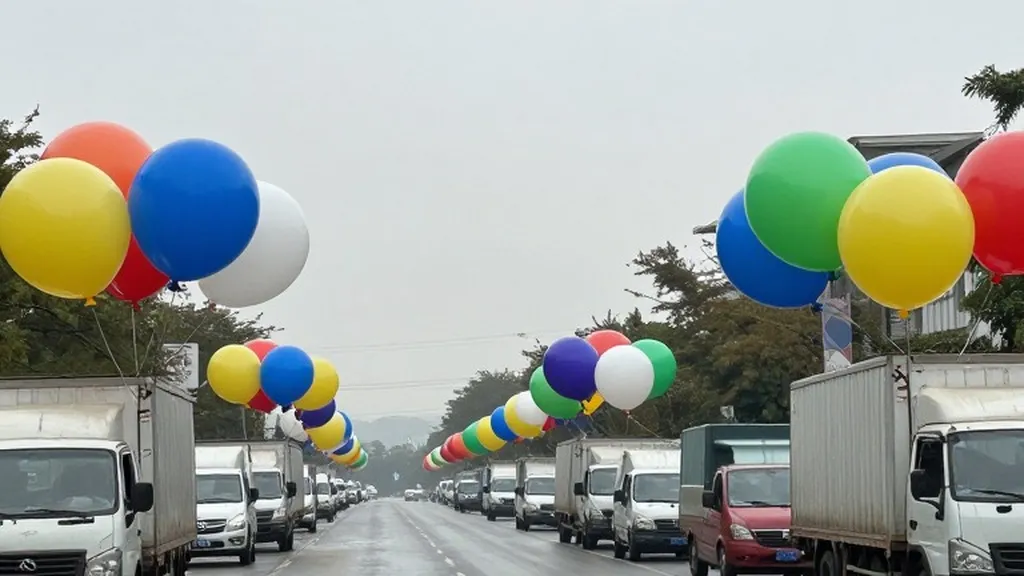
The 100th annual Macy's Thanksgiving Day Parade in New York City missed its traditional slot for the first time in history. The event was postponed to Saturday, November 28, 2026, at 8:30 a.m. Eastern. This decision followed a High Wind Warning issued by the National Weather Service for Thanksgiving Day. The warning began at 10 a.m., a time when the parade would have been well underway. Forecast maximum sustained winds in Manhattan reached 28 mph, with gusts hitting 48 mph. For an event that claims to run rain or shine, wind proved to be the one ingredient the balloons cannot tolerate.
The logic behind the delay is strictly numerical. Since 1998, giant balloons are prohibited from flying when sustained winds exceed 23 mph or gusts exceed 34 mph. The New York City Police Department holds final authority over the balloons on public safety grounds, even below those specific thresholds. The requirements are rigorous. Balloons are limited to 78 feet long, 40 feet wide, and 70 feet high. They must be tethered to two support vehicles and managed by 50 to 60 trained handlers. They are equipped with rapid deflation mechanisms and approved by the city's transportation department. It is a bureaucratic fortress designed to keep helium and physics from becoming a liability.
These rules were not born from a desire for comfort. They were forged in the aftermath of the 1997 parade, when high winds turned the spectacle into a chaotic flight. About a dozen balloons, including Sonic the Hedgehog, the Nestle Quick Bunny, and the Pink Panther, were damaged. A Cat in the Hat balloon struck a lamppost at 72nd Street and Central Park West, sending a 100-pound section crashing to the street. Four people were injured, two with head injuries. Spectator Kathleen Caronna was in a coma for 24 days and was left with serious brain injuries. Mayor Rudy Giuliani pushed the new rules through afterward, ensuring that no one would ever again have to guess whether a giant rubber animal was a balloon or a projectile.
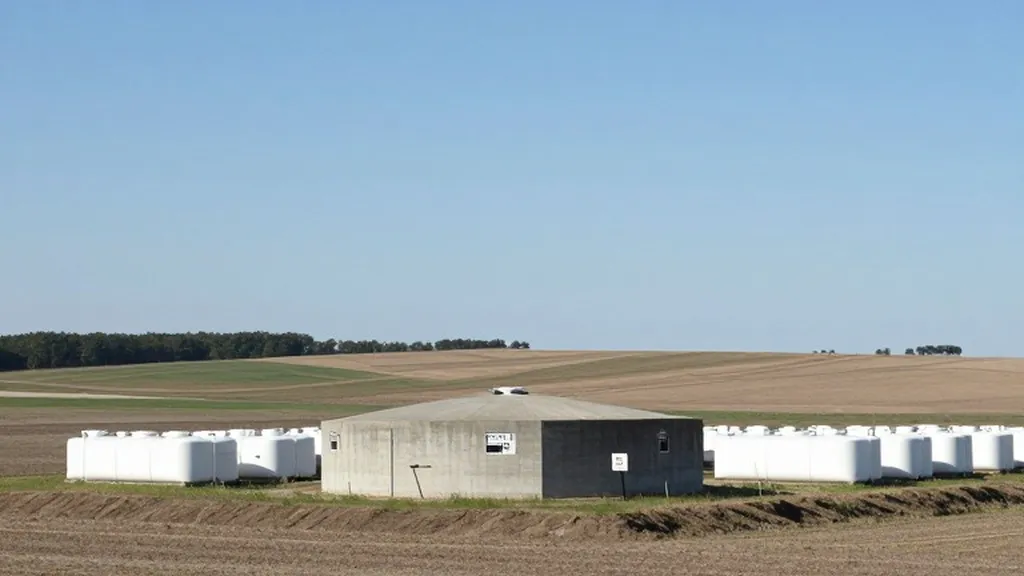
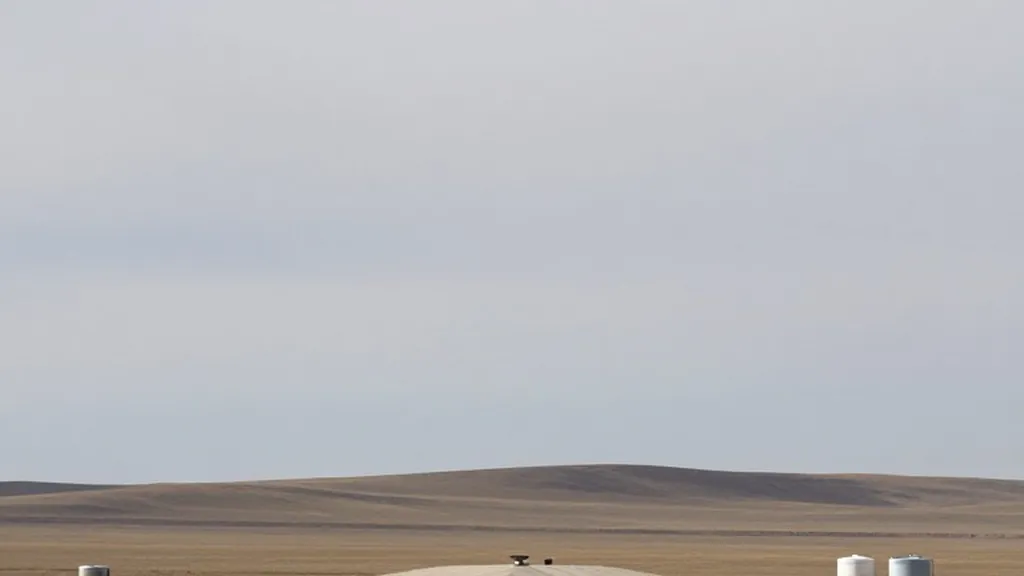
The timing of this year's postponement has drawn sharp eyes. On the same morning the balloons were grounded, the U.S. Army detonated nearly five tons of degraded lead azide at the Iowa Army Ammunition Plant near Middletown, Iowa. This location sits about 1,300 miles upwind to the west of New York. The blast occurred at 9 a.m. Central time, right in the same morning window. Army forecasts showed airborne lead dust drifting southwest across southeastern Iowa and into northern Missouri. The EPA permit for this specific detonation required wind between 1 and 15 mph. New York's forecast wind was far stronger, ranging from 28 to 48 mph.
This creates a delightful weather paradox. Officials in New York said the parade moved because the wind was too strong and unpredictable for the balloons. Meanwhile, officials in Iowa proceeded with the detonation because the wind was light and steady enough to keep the plume predictable. Critics are calling it a contradiction worth a question, noting that the same weather weekend was used to justify flying no balloons in one city and setting off a lead explosion in another. It is a fascinating display of meteorological duality, where the same atmosphere is simultaneously too turbulent for helium and just right for lead dust.
Some readers have concluded that the parade was moved to keep cameras and attention off the detonation. There is no evidence the two decisions were coordinated. The wind rules for balloons are written down and enforced by the police, and the detonation's wind window is written into a federal permit. Both sides are following their respective rulebooks to the letter. The irony lies in the fact that one set of rules prioritizes the safety of spectators watching giant toys, while the other prioritizes the predictability of airborne chemicals for a blast that few in New York will see.
The 100th running of the parade is a milestone, but the storm also brought heavy rain and travel trouble to the Northeast during the heaviest Thanksgiving travel stretch of the year. The balloons that were grounded on Thanksgiving are now scheduled to fly Saturday morning instead. The public will have to wait two more days to see the Pink Panther and Sonic the Hedgehog, provided the wind cooperates with the police department's strict calculations. For now, the 100th anniversary is being celebrated with a pause. It is a reminder that even in a century of tradition, physics remains the most stubborn stakeholder.
The contrast between the two events highlights how different agencies interpret weather data for different purposes. In New York, the focus was on the immediate danger to crowds and the structural integrity of the balloons. In Iowa, the focus was on the direction and speed of the air current to ensure the lead dust moved away from populated areas. The Army's forecast showed the dust drifting southwest, which aligned with the permit requirements. The wind in New York was not merely strong but gusty, which posed a risk of sudden shifts that could snap tethers or tip over support vehicles.
The 1997 incident remains the benchmark for safety decisions. The injury to Kathleen Caronna was a severe outcome that changed how the city viewed the event. The rules implemented after that year have prevented similar catastrophes for decades. The 2026 postponement is a testament to the rigor of those standards. The fact that the 100th anniversary was delayed does not diminish its importance. It underscores the commitment to safety over tradition when the numbers do not align. The public will still get their balloons, just two days later. The lead in Iowa has already been dispersed into the atmosphere. The weather did what it does, and the authorities did what their rulebooks required.
More Business · Watch Your Wallet · Report a business · Got a Story?