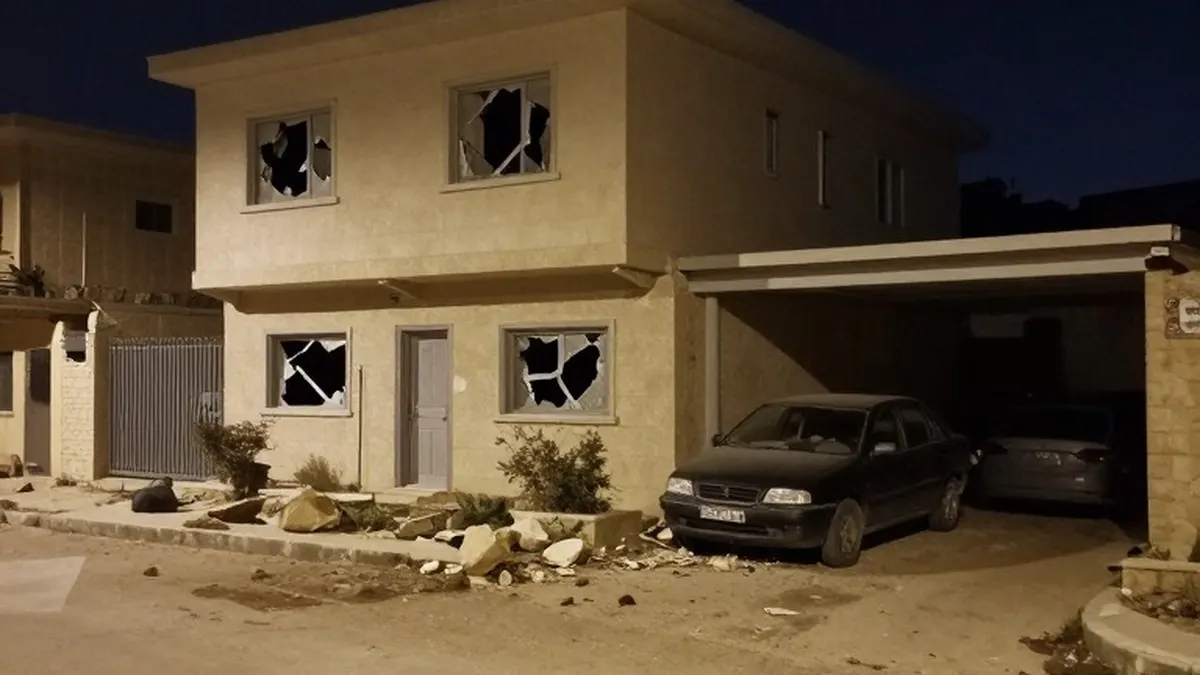
Ukraine strikes Russian warship in Libyan waters
Libya condemns a Ukrainian drone strike on a Russian warship in Benghazi, marking a significant escalation in the conflict's geographic reach.
By News Media House Staff ·
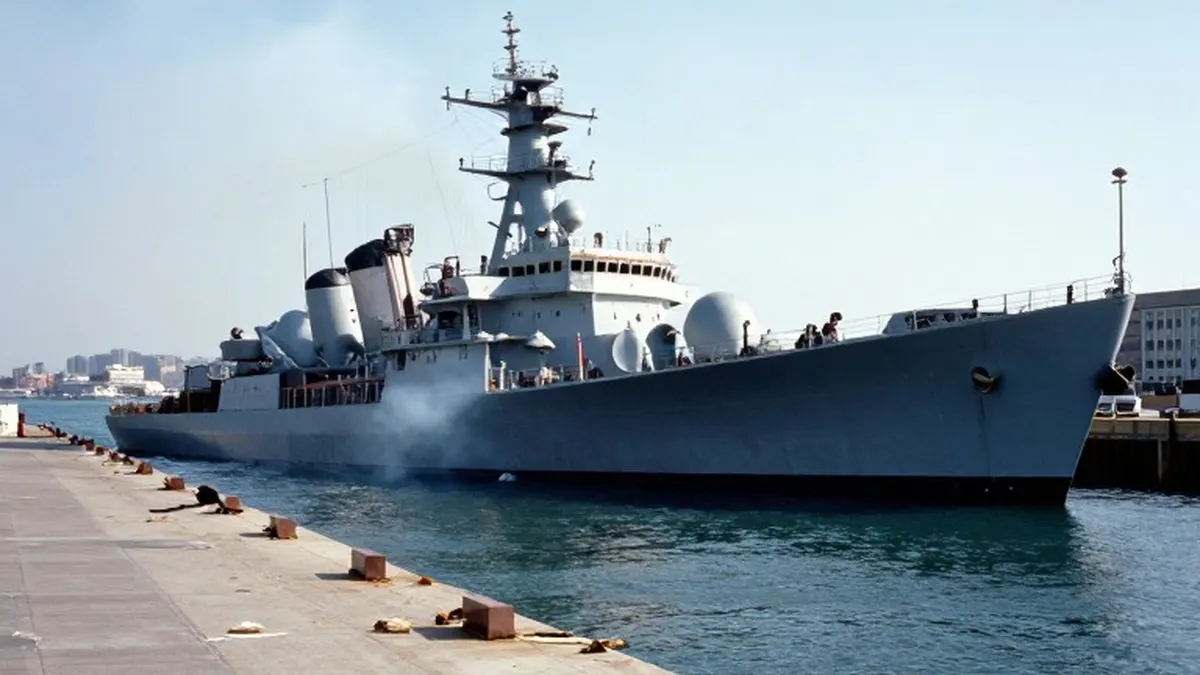
The internationally recognized government of Libya in Tripoli has strongly condemned a Ukrainian drone attack on a Russian warship in Libyan waters. The strike, which killed at least ten crew members of both nationalities, has raised significant diplomatic tensions as Tripoli insists it should not be drawn into the broader conflict between Moscow and Kyiv.
The attack occurred on Sunday when Ukrainian drones targeted the Merkury, a modern Russian corvette, while it was docked in the coastal city of Benghazi. The ship had arrived to refuel and resupply under a cooperation agreement with the rival eastern Libyan government led by Khalifa Haftar. Local authorities reported that the vessel was moored in a civilian section of the seaport, near a naval base, when it was hit.
In a statement posted on social media on Monday, the Libyan Foreign Ministry declared that the country’s sovereignty was non-negotiable. The ministry argued that the ongoing war did not grant either side the right to conduct military operations on Libyan territory or within its territorial waters. This condemnation follows the revelation by President Volodymyr Zelenskyy that the attack was carried out by Ukraine’s intelligence service, the SBU, using seven drones.
Zelenskyy stated that the operation was exemplary and resulted in the sinking of the Merkury. He also revealed that a second Russian vessel, the cargo ship Angara, was hit and destroyed, along with a Ka-27 combat helicopter. Ukraine’s security service justified the strikes by stating that both ships were legitimate military targets because they directly supported Russian military capabilities. Satellite imagery showed the Merkury capsized with only its bow visible above water, though some Libyan officials told the Associated Press that the ship was heavily damaged rather than completely sunk.
The incident has sent shockwaves across Europe and the Middle East, fueling fears that the war has spilled over far from the main front lines. Kremlin spokesman Dmitry Peskov described the Ukrainian attacks as a very dangerous trend. Meanwhile, the eastern Libyan government has requested an investigation from the United Nations General Assembly and Security Council to determine the details of the strike.
Russia’s presence in Libya is part of a long-standing strategy to maintain influence in the region. Since the country split in 2011 following the fall of Muammar Gaddafi, Moscow has aligned itself with the eastern administration. This partnership allows Russia to use eastern Libya as a logistical hub for operations across Africa, including in the Sahel and Sudan. After the fall of the Assad regime in Syria in 2024, Russia shifted its focus to Libya as a potential alternative site for its military infrastructure.
Analysts note that Russia is currently developing projects at several military bases in Haftar-controlled areas, including Al-Jufra and Tamanhint. An estimated 1,800 Russian troops, including members of the Africa Corps, are believed to be based in the country. However, Moscow has not yet secured a port on the Mediterranean, likely because eastern Libyan authorities are cautious about giving Russia visible access that could complicate their improving relations with the United States and European partners.
The attack in Benghazi highlights Ukraine’s growing capability to strike Russian assets thousands of kilometers from the battlefield. Zelenskyy has referred to these actions as long-range sanctions, targeting Russia’s shadow fleet and energy infrastructure. This strategy mirrors recent incidents in the Baltic and Caspian seas, where Ukrainian drones have struck Russian vessels, leading to diplomatic friction with regional neighbors.
In addition to maritime targets, Ukraine has conducted covert operations deep inside Russia. In June 2025, a secret service operation known as Spider’s Web involved smuggling drone components into the country to attack military bases in five regions. That operation caused approximately seven billion dollars in damage to Russian equipment. The recent strike in Libya may further intensify these long-range efforts as both nations seek strategic advantages beyond their shared border.
Originally published by News Media House