
US probes Iran as prime suspect in cyberattacks on global shipping
American authorities are investigating Iran as the primary suspect in dozens of recent cyber incidents targeting oil tankers and chemical carriers worldwide.
By News Media House Staff ·
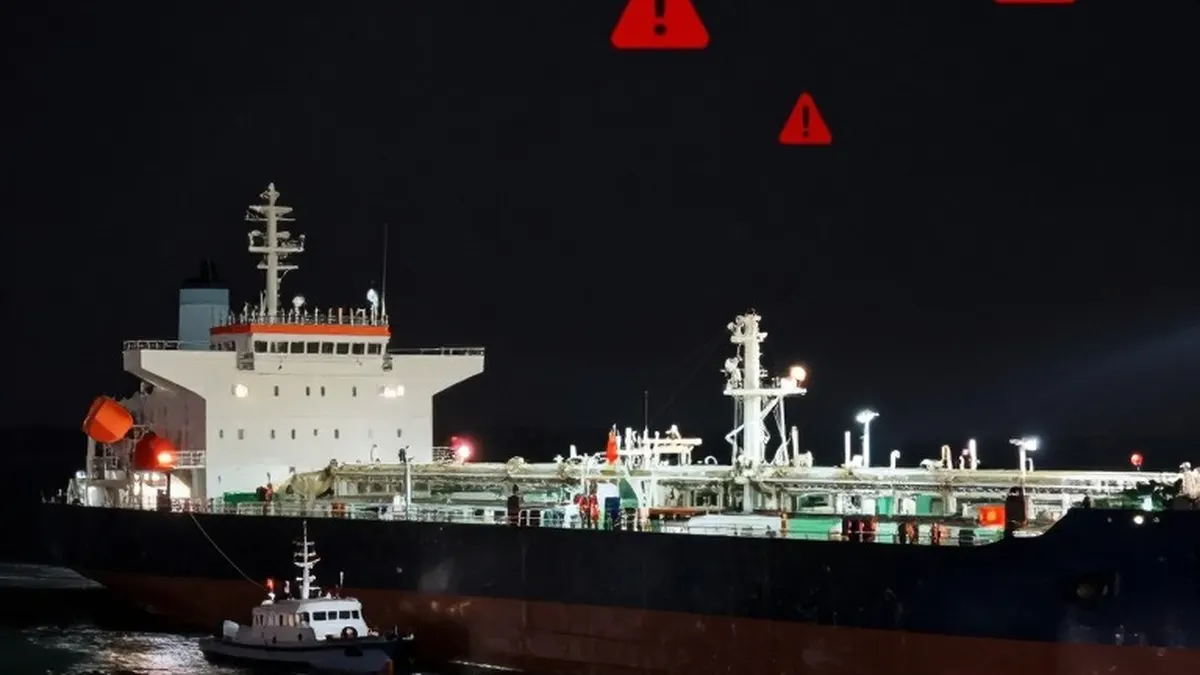
The United States is currently investigating Iran as the leading suspect in a series of cyberattacks targeting dozens of vessels that transport oil and other commodities. According to a report published by The Wall Street Journal on Tuesday, as many as 50 ships have been affected by these digital intrusions. Some of the targeted vessels were carrying hazardous materials, including explosive substances and chemicals, which heightened the concern among security officials.
While Iranian state actors are considered the chief suspects, US officials also expressed suspicion regarding Russian involvement. Several sources familiar with the incidents noted that some ships received explicit warnings that they might be blown up. One source indicated that a portion of these threats were communicated in Farsi, further pointing toward Iranian origins.
The strategic goal of these attacks appears to be the disruption of critical maritime routes. Analysts suggest the aim is to frighten shipping companies, provoke a collision at sea, or trigger an explosion at a major port outside the Middle East. The US Coast Guard has responded by deploying cybersecurity teams on at least four occasions in recent weeks. These teams worked to mitigate threats before the affected vessels arrived at American ports. The attacks have not been limited to the Atlantic, with ships operating in Europe and Asia also falling under the same scrutiny.
An unnamed European ship operator provided details to the Journal regarding a recent incident involving a vessel carrying natural gas from Louisiana to Mediterranean destinations. The operator reported that two crew members received threatening messages on their personal phones last month. The text messages stated that traitor ships would burn in hell and declared that there is no ceasefire. This reference was interpreted as a comment on the fragile ceasefire agreement reached between the US and Iran in April.
Another significant incident involved the oil tanker VL Prosperity. In September, the vessel received a bomb threat while en route to Texas. The Wall Street Journal reported that hackers had gained access to the ship's engine network. Following the intrusion, the FBI and the Coast Guard boarded the ship in August to conduct a thorough screening. The operators confirmed that the vessel was cleared for operations, though they did not comment on a ransom note that appeared on a Russian-language Telegram channel.
A US administration official told the Journal that authorities have not yet found definitive evidence proving Iran was behind the recent incidents. The official characterized four of the attacks as nuisances rather than major dangers. In response to the growing threat, the US Coast Guard Cyber Command and the FBI issued a joint alert in September to warn the maritime industry.
In a statement, the Coast Guard emphasized that protecting marine transportation is vital to America's economic prosperity and national security. The agency noted that defending against cyberattacks is a standard component of its safety and security mission. Alon Ayalon, co-founder of an Israeli firm specializing in maritime cyber defense, highlighted the vulnerability of the industry. He warned that ships are no longer accidental casualties in cyber campaigns but are now deliberate targets. Ayalon added that most vessels currently sailing have less cyber protection than a midsize office.
These maritime cyberattacks occur amid a broader pattern of digital disruptions in Europe. The region has recently faced a wave of hoax bomb threats targeting schools and commercial airlines. Additionally, a cyberattack in France disrupted supermarket freezers, causing hundreds of millions of dollars in damage. France attributed that specific incident to Iran, further linking the country to recent cyber operations across the Atlantic.
The report also included unrelated cultural news about the film 'There Are No Lions in Tel Aviv,' which is available for screening to members of The Times of Israel Community from November 19 to 26. The documentary focuses on Rabbi Max Shorenstein and the history of the Tel Aviv Zoo, but it is distinct from the main news regarding the shipping industry cyber threats.
Originally published by News Media House





