
Ukraine and Norway Expand Joint Air Defense Efforts with Desna System
Ukrainian and Norwegian ministers in Oslo agreed to expand the Desna air defense system, which combines Ukrainian missiles with Norwegian fire control technology to counter drones.
By News Media House Staff ·
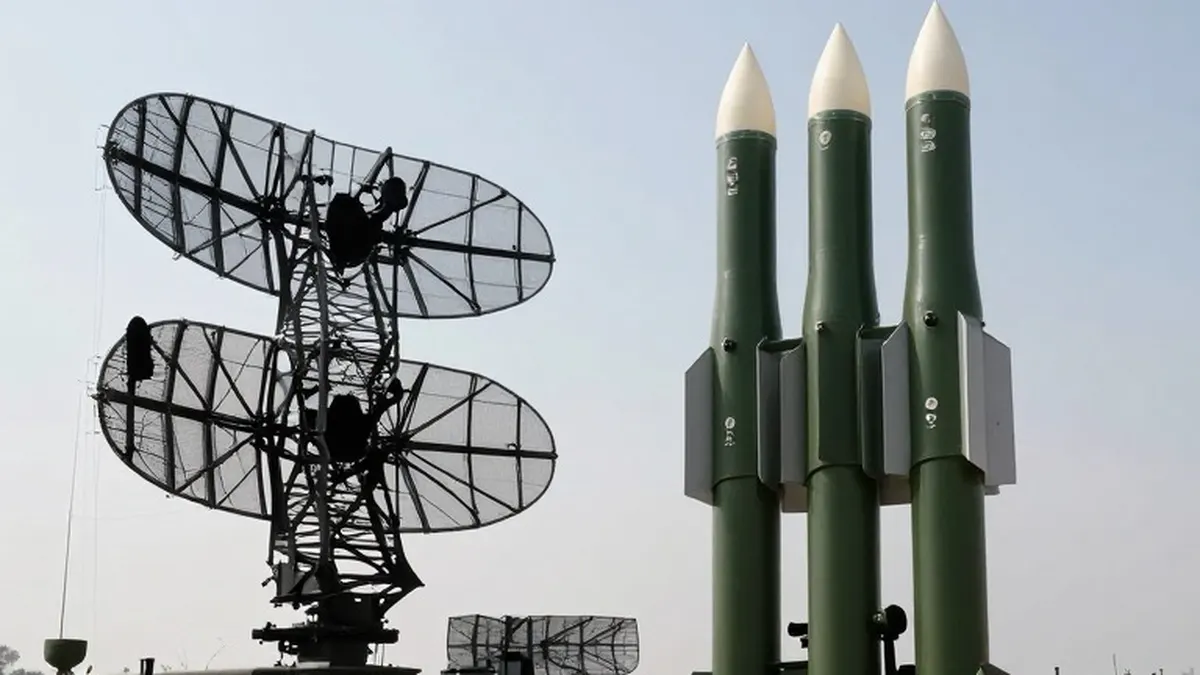
Ukrainian and Norwegian defense industries have successfully developed a new air defense system called Desna, which is already active in protecting Ukraine from drone attacks. The system represents a significant step in bilateral military cooperation, combining locally produced Ukrainian components with advanced Norwegian technology.
During a meeting in Oslo, Ukraine's Minister of Defense Yevhenii Khmara and Norway's Minister of Defense Tore O. Sandvik discussed the expansion of this partnership. The two officials reviewed the operational status of the Desna system, noting that Norway has already procured and delivered several units to Ukraine in recent months.
The Desna system is named after a river in Ukraine and was developed through a collaboration between the Norwegian company Kongsberg and a Ukrainian partner. The architecture of the system integrates Ukrainian-made air defense missiles and launchers with fire control systems provided by Kongsberg and donated by Norway.
Norwegian Minister Sandvik explained the strategic logic behind the project during the talks. He stated that the collaboration involves integrating low-cost Ukrainian missiles, which can be manufactured in large quantities, into the Norwegian fire control infrastructure. Sandvik emphasized that these systems are already in operation and are effectively helping to shield Ukraine from Russian drones.
The Norwegian government is currently working to scale up the project. Sandvik noted that the aim is to provide air defense protection for larger areas of Ukraine, thereby enhancing the country's overall defensive capabilities against aerial threats.
The minister highlighted the economic efficiency of the Desna system in an international market where air defense missiles are in extremely high demand and are often scarce. He pointed out that the missiles used in the Desna configuration are cheaper than traditional alternatives while remaining effective against Russian attacks. Sandvik described the outcome as a result of fruitful cooperation between the two nations' defense sectors, which is contributing to saving Ukrainian lives.
The meeting in Oslo also produced other diplomatic outcomes. As part of Khmara's visit, the ministers signed a memorandum of intent regarding the testing of Ukraine's Delta combat digital ecosystem. This digital platform is a key component of modernizing Ukraine's military command and control structures.
This agreement follows a similar letter of intent previously signed by Khmara and German Defense Minister Boris Pistorius. That earlier document focused on the cooperation in developing, implementing, and applying the Delta combat digital ecosystem, signaling a broader European effort to support Ukraine's digital military transformation.
The diplomatic engagements continue with other key European partners. During a separate meeting in Berlin on November 23, Khmara and Pistorius reached preliminary agreements concerning Ukraine's receipt of additional interceptor missiles. These ongoing discussions underscore the continued flow of military support and technological integration between Ukraine and its European allies.
Originally published by News Media House





