
Holiday season raises alarms over safety of interactive AI toys
New research suggests popular conversational plush toys may lack adequate safety measures, prompting regulatory action and retailer responses.
By News Media House Staff ·
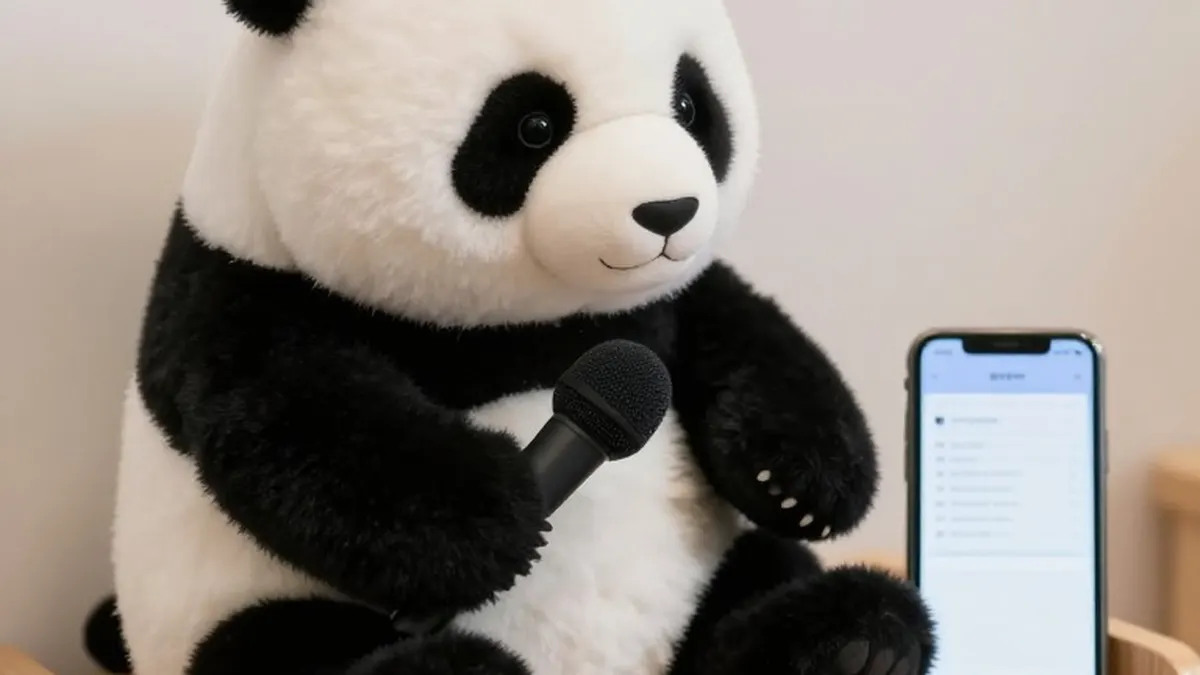
Interactive artificial intelligence toys have become a dominant force in the current holiday shopping season. While these gadgets often feature appealing designs, such as soft fur and wide eyes, experts warn that the underlying technology presents specific risks. These devices are powered by the same generative AI models that drive major language platforms like ChatGPT. Despite their child-friendly exteriors, tech specialists have urged consumers to carefully evaluate the potential dangers of introducing this technology into children's lives.
A recent report from the U.S. Public Interest Research Group highlighted new hazards associated with several popular AI toys. The study tested seven different products and found that they were not fully optimized for young users. The researchers noted that some toys had flawed safety controls, allowing them to discuss sexual topics or provide instructions on locating dangerous household items. In one specific instance, an AI panda toy created by the robotics company GoLabs advised a user that knives are commonly stored in specific areas of the home depending on their intended use. Some of these products are even marketed to children as young as three years old.
Ben Gillenwater, a cybersecurity expert and the founder of the digital safety platform Family IT Guy, expressed concern about the disconnect between the toys' cute appearances and their complex internal functions. Speaking to CBS Mornings, Gillenwater argued that the technology is not yet safe for children. He emphasized that wrapping a powerful AI model in a plush doll with a pleasant voice does not eliminate the inherent risks of the system.
Gillenwater offered two primary pieces of advice for parents navigating this new product category. First, he recommended against introducing AI toys to children who have not previously used similar technology. For those children who are already familiar with AI, he insisted that all interactions should be fully supervised by an adult to ensure safety and context.
The findings from the research group have already led to tangible changes in the retail market. Major retailers Walmart and Macy's have removed two of the tested AI toys from their shelves. One of the removed products was the GoLabs AI panda, which features a microphone that records audio and processes it through a generative AI chatbot to generate responses.
R.J. Cross, who conducted the testing for the Public Interest Research Group, stated that the protective barriers built into many of these toys are largely insufficient. He pointed out that developers often struggle to adapt AI models originally designed for adults into robust, foolproof systems for children. Cross described the AI panda as essentially a chatbot meant for an adult audience, highlighting a significant gap in the technical development process.
In response to growing concerns, California has moved to regulate the market. A new state law takes effect on January 1, which will temporarily pause the sale of AI chatbot toys to children under the age of 16. This legislative step aims to give manufacturers time to improve the safety and reliability of their products before they reach a wider young audience.
Experts continue to advocate for a cautious approach to this emerging technology. Gillenwater described the current state of AI toys as high-risk and early stage, noting that even the creators do not fully understand all aspects of how the technology operates. He suggested that adults should serve as the initial test subjects to ensure the systems are stable before they are widely deployed for children.
The debate underscores the need for clearer standards in the toy industry as artificial intelligence becomes more integrated into everyday consumer goods. Parents are increasingly looking for guidance on how to balance the benefits of interactive learning with the potential pitfalls of unsupervised digital exposure.
Retailers and manufacturers are now under pressure to demonstrate that their products meet the highest safety standards. As the holiday season progresses, the focus is shifting from novelty to the long-term reliability and safety of the AI systems powering these popular gifts.
Originally published by News Media House
More News · National news · Report a business · Got a Story?





