New York bans subscription-based car features starting in 2027
A new state law will prevent automakers and dealers from charging monthly fees for features like heated seats, effective February 27, 2027.
By News Media House Staff ·
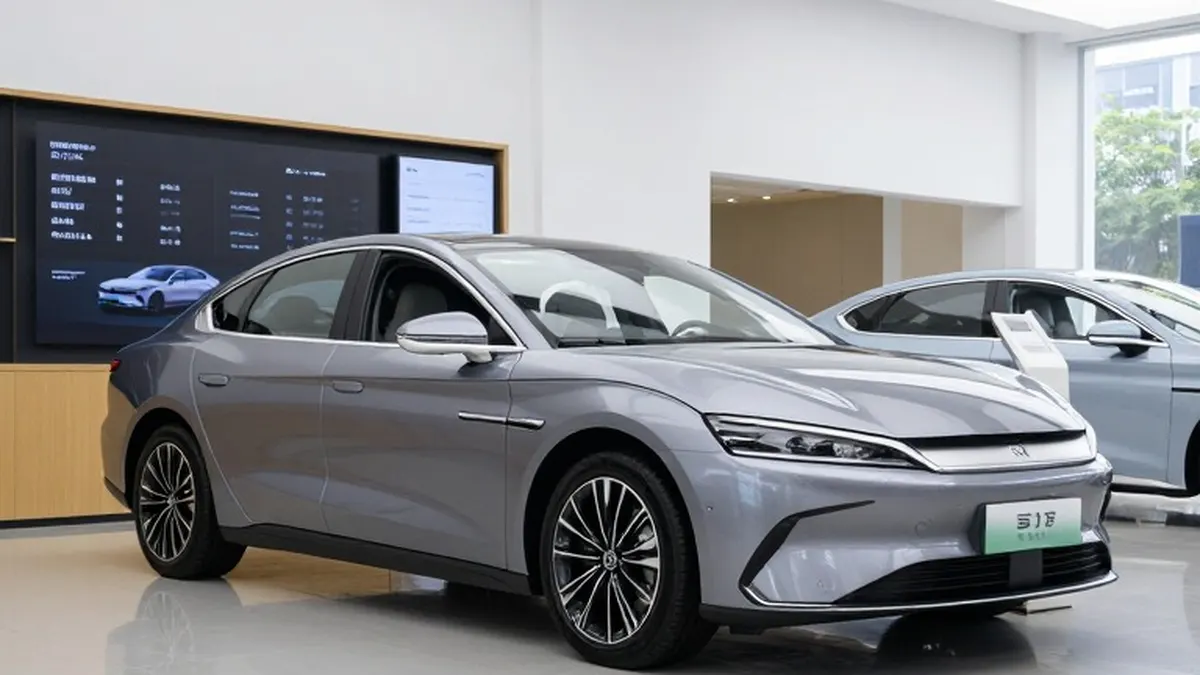
Governor Kathy Hochul signed legislation yesterday that prohibits car manufacturers and dealerships in New York from restricting vehicle features behind subscription models. The new law is scheduled to take effect on February 27, 2027. This move aims to reduce the long-term cost of ownership for residents by ensuring that certain vehicle functions are included in the purchase price rather than requiring ongoing payments.
In a statement regarding the signing, Governor Hochul emphasized that consumers should not have to pay extra for features that are integral to the vehicle. She described the practice as a deceptive business model that New York State would no longer tolerate. The governor directed automakers to stop reaching into the wallets of New Yorkers for features that should be standard.
The shift toward subscription-based vehicle features marks a significant change from traditional car ownership. Historically, drivers only paid for optional modifications or upgrades they installed after purchasing the vehicle. The landscape began to change with the introduction of telematics services, such as General Motors' OnStar, which offered connected car capabilities for a monthly fee.
While end users may dislike the recurring costs, the practice aligns with the preferences of capital markets and automakers seeking to boost revenue. The push toward connected vehicles is driven not just by consumer convenience features like remote start and predictive maintenance alerts, but also by the desire for steady monthly payments and access to valuable driver data that companies can monetize.
Some automakers have taken the subscription model to extremes, leading to public scrutiny. A notable example involves heated seats, a feature that sparked widespread debate and comparison to famous class-action lawsuits over minor charges. However, the specific case of BMW North America is often misunderstood. The company never implemented heated seat subscriptions in the United States. The practice was primarily observed in markets such as South Korea and the United Kingdom.
In 2023, BMW's board of directors clarified its stance on the issue. They announced that future subscription models would be limited to software-related features only. This distinction highlights the broader industry trend where hardware and software are increasingly separated, allowing companies to charge for digital updates and advanced functionalities independently from the physical vehicle.
The New York law targets this evolving business strategy by setting clear boundaries on what can be charged for after the point of sale. By banning the lock-up of features behind subscriptions, the state aims to restore clarity for buyers who expect the vehicle they purchase to function as advertised without hidden monthly costs.
As the law approaches its effective date in early 2027, automakers will need to adjust their strategies for the New York market. The regulation may serve as a precedent for other states looking to address the growing complexity of vehicle pricing and the transition to software-defined cars.
The legislation reflects a growing consumer demand for transparency in the automotive industry. With the rise of electric and connected vehicles, the line between hardware and software has blurred, making it crucial for regulators to define what constitutes a standard feature versus a paid service.
This new rule is expected to influence how dealerships present vehicle options and how manufacturers design their after-sales service packages. It represents a significant regulatory intervention in the market, prioritizing consumer protection in an era of rapidly evolving automotive technology.
Originally published by News Media House
More News · National news · Report a business · Got a Story?