Montana SNAP Losses: 6,500 Households Struggle After New Rules
State food bank estimates 2,500 children are among those losing aid, while a potential cost-share rule could shift more funding burden to taxpayers next year.
By Tunde Henderson ·
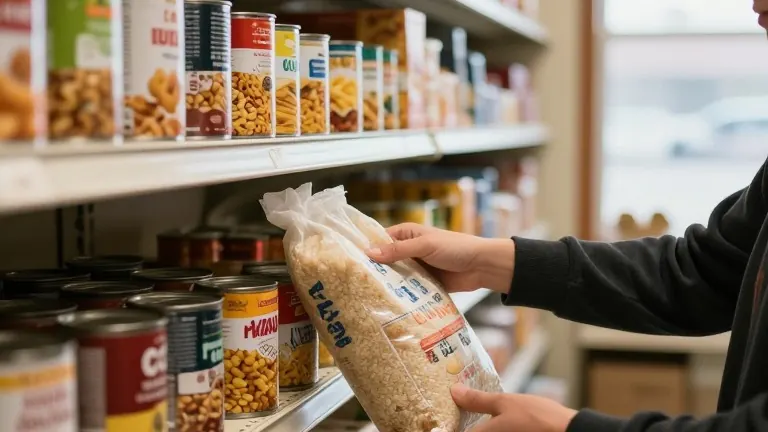
Families in Montana are facing empty grocery carts this Thanksgiving season. The Montana Food Bank Network (MFBN) estimates that 6,500 residents, including 2,500 children, have lost Supplemental Nutrition Assistance Program (SNAP) benefits since last year. This loss follows the passage of H.R. 1, the One Big Beautiful Bill Act, which overhauled federal eligibility standards.
The new law tightened work requirements for recipients. It expanded the age range for mandatory work participation from 54 to 64. Veterans lost their automatic exemption from these rules. Unemployed parents also face stricter criteria; they must now have a child under 14 in the home to qualify for an exemption, a lower threshold than the previous cutoff of 18.
Kaleigh Wagner, president and CEO of the MFBN, described the impact on the state. "Montana is an ag state, yet one in seven folks don't know where their next meal is coming from," she said. The network tracks these gaps as local shelves remain stocked but out of reach for many households.
A second financial pressure point is approaching. Congress is debating a rule that would make states share the cost of SNAP benefits based on payment error rates. If a state's error rate exceeds 6%, it would be responsible for 5% to 15% of the program's costs starting next October. Wagner expects Montana to fall into the 5% to 10% range. She warned this would shift a substantial amount of money to state responsibility.
Wagner clarified that high error rates do not equal fraud. "A SNAP error rate, it is not the same thing as a fraud rate," she explained. She noted that errors are often simple oversights in emails or minor miscalculations in benefit amounts. "An error rate does not equal folks misusing the program," she added. The network is asking Congress to provide states with adequate time to improve accuracy without cutting off family access.
The Farm Bill offers a potential avenue for change. This legislation, which has not received a full renewal since 2018, could modify SNAP regulations. Congress may use it to delay or adjust the upcoming cost-sharing requirements. The bill is currently under consideration as lawmakers weigh the program's future structure.
The economic reach of SNAP extends beyond individual households. Wagner noted that the program supports local grocery stores, agriculture producers, and jobs across the state. "SNAP doesn't just put food on Montana tables. It supports our local grocery stores, our agriculture producers, and jobs across the state," she said. The network continues to monitor the legislation as it moves through Congress.