Huawei Convicted of Trade Secret Theft and Bank Fraud in US Court
A federal jury found the Chinese tech giant guilty of conspiracy to steal trade secrets and bank fraud, while acquitting it of the central racketeering charge.
By News Media House Staff ·
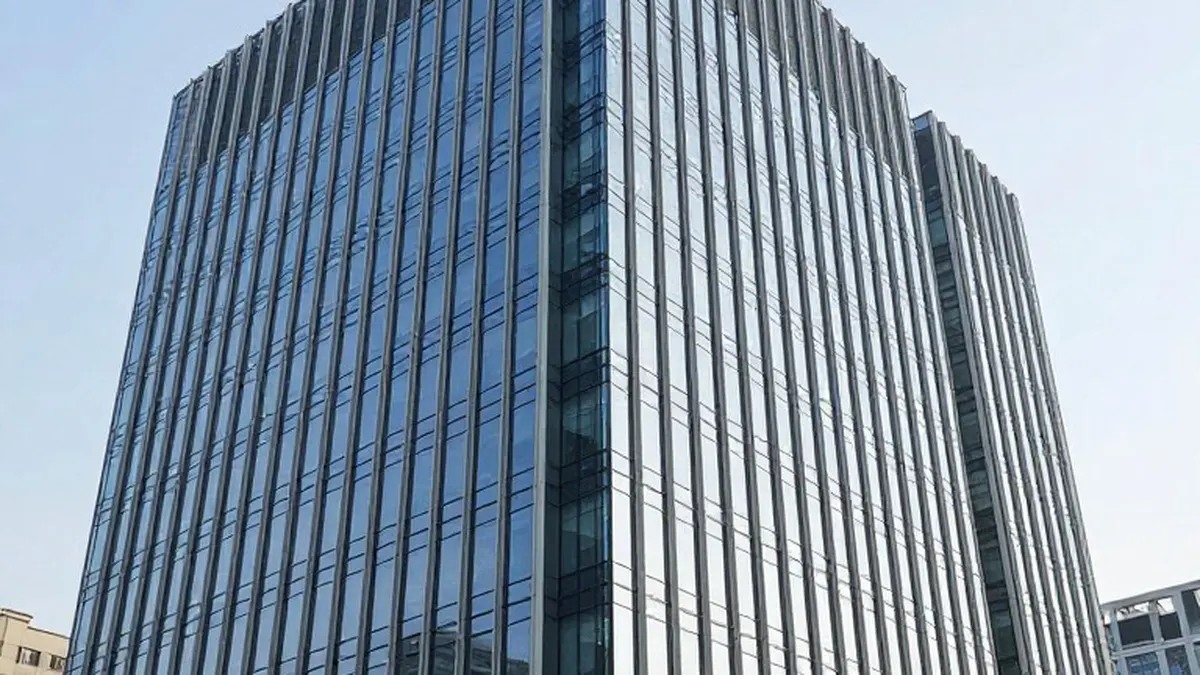
A jury in the United States has returned a verdict against Huawei Technologies, convicting the Chinese telecommunications giant of conspiracy to steal trade secrets and bank fraud. The company has grown into one of the largest global suppliers of wireless network equipment, a status that placed it at the center of a long-running legal dispute with US authorities.
The verdict, delivered on Tuesday, marked a significant legal defeat for the company, though jurors acquitted Huawei of the most severe allegation: criminal racketeering conspiracy. Prosecutors had relied on this charge, often associated with organized crime, to argue that Huawei operated in an illicit manner to acquire intellectual property from American competitors.
The lengthy trial saw US prosecutors present evidence that Huawei repeatedly stole technological secrets from partners and rivals in the United States and other regions. The company was also accused of conducting business in sanctioned nations, including Iran and North Korea, and making false statements to banks and government officials to conceal these activities.
The criminal case originated in 2018, a period during which US officials began emphasizing the national security risks posed by Huawei. The following year, the US government added the company to a trade blacklist, restricting its access to critical American technology. Despite these pressures, experts note that Huawei has diversified its operations and emerged as a central figure in China’s push for artificial intelligence.
The trial lasted more than two months, with prosecutors calling over 60 witnesses while the defense presented 15. Huawei and three of its affiliates faced twelve counts, including wire fraud, sanctions violations, and obstruction of justice. Defense attorneys argued that investigators used isolated incidents involving a small number of the company’s more than 200,000 employees to construct a false narrative of a grand conspiracy.
Brian Heberlig, a lawyer for Huawei, stated outside the court that the company plans to appeal the convictions. He described the acquittal on the racketeering count as a form of vindication, noting that it was the only charge that tied all the allegations together. Heberlig said the jury’s decision effectively rejected the central government narrative of the case.
The legal proceedings trace back to December 2018, when Meng Wanzhou, Huawei’s chief financial officer and daughter of the founder, was detained in Canada under a US warrant. She had been indicted for allegedly misleading an HSBC banker about the company’s business in Iran to facilitate dollar transfers in violation of US sanctions.
Meng fought extradition for nearly three years before reaching a deferred prosecution agreement and returning to China. Her individual charges were dropped, but the 2018 indictment alleged that Huawei misled HSBC, Standard Chartered, and BNP Paribas regarding its dealings in Iran. In 2020, prosecutors expanded the case by adding charges related to a two-decade conspiracy to steal trade secrets.
During the trial, prosecutors presented evidence that Huawei stole source code from Cisco Systems for its routers and acquired antenna technology from wireless company Quintel. They also alleged that the company hired a professor to access a circuit board developed by semiconductor firm CNEX. Jurors viewed video footage showing a Huawei employee placing part of a T-Mobile testing robot into a backpack, as well as testimony about an engineer photographing a device at a Fujitsu booth.
The defense countered that the banks involved were aware of Huawei’s business in Iran and were competing for its patronage. Heberlig accused prosecutors of cherry-picking disparate incidents to support their claim of a twenty-year conspiracy. He emphasized that Huawei’s success was driven by hard work, innovation, and significant investment in research and development, with the company now operating in approximately 170 countries.
Originally published by News Media House