Australia enacts defense law allowing secret zones and seven-year penalties
Ministers can now classify facilities as security areas without public notice, a move critics say bypasses standard legal checks.
By Tunde Henderson ·
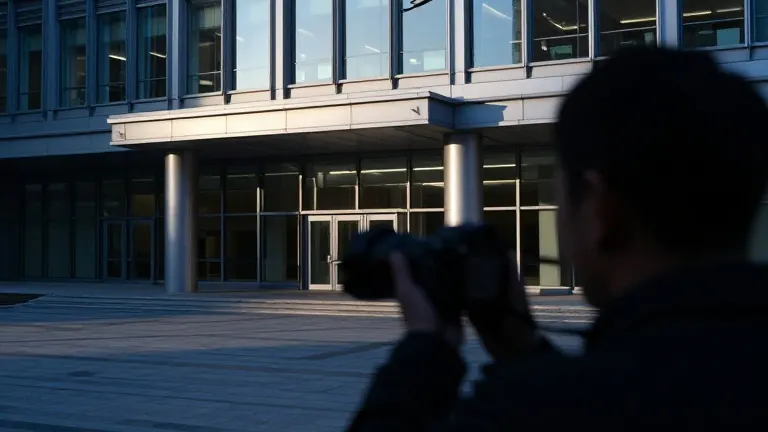
Seven years. That is the maximum prison sentence an individual can now face for entering or photographing a designated defense security zone in Australia. The penalty was finalized in new legislation that received its last approval in the lower house on Monday evening.
The Accelerating Capability and Protecting Bases bill grants ministers the authority to classify facilities as special security zones. These areas can include standard bases as well as temporary, mobile, or emergency sites. The designation is left to the discretion of a minister, who can issue a capability declaration to allow certain activities to proceed without contravening other laws.
Professor Anne Twomey, a professor emerita at the University of Sydney, described the enactment as flabbergasting. In a video posted to her YouTube channel, she argued that the law permits secret alterations to Commonwealth, state, and territory laws. She noted that such declarations can be withheld from being declared as legislative instruments, adding a layer of secrecy to the process.
Prime Minister Anthony Albanese dismissed critics on Monday. He accused opponents of jumping at shadows and making absurd claims. He stated that the country lives in unsafe times with more conflicts worldwide than at any point since World War Two. He argued that accountability would be maintained for designated areas, but the powers were required to handle modern threats.
The bill passed the Senate last week. While the Labor and Coalition parties supported the measure, a small group of crossbenchers voted against it. Kate Chaney, Monique Ryan, and Andrew Wilkie were among those who opposed the legislation. Civil society groups, including the Greens and Digital Rights Watch, also voiced strong opposition to the expanded executive powers.
David Shoebridge, the leader of the Greens, characterized the changes as extreme wartime powers. He warned that citizens could be charged for breaking laws they were not even aware existed. He described the measure as an assault on civil liberties, noting the potential for unchecked ministerial discretion.
David Pocock told Guardian Australia that stronger safeguards are needed. He argued that while protection of sensitive facilities is needed, it should not come at the cost of unchecked ministerial power. He urged for a better balance between defense needs and community rights, calling the Prime Minister's response disingenuous.
Twomey further detailed her concerns about the rule of law. She argued that parliament has effectively abandoned its lawmaking and scrutiny roles. By giving decision-making power to ministers and senior public servants, she warned, the risk that these powers will be misused in the future increases.
More Politics · World news · Report a business · Got a Story?